
Rapid City experiences a high volume of hail activity compared to most cities in the Midwest. Roofs typically receive the most attention after a storm, but siding sustains comparable damage and is far more likely to go unaddressed. A dent, hairline crack, or small chip may seem minor, but it can compromise your home’s weather protection and still qualify for an insurance claim, provided it is identified and documented within your policy’s timeframe.
Diamond Roofing has inspected siding across the Black Hills region after major hail and understands what adjusters require. This guide outlines damage indicators for each siding material and the steps to take if you find them.
Table Of Contents
Why Hail Damage on Siding Is Easy to Overlook
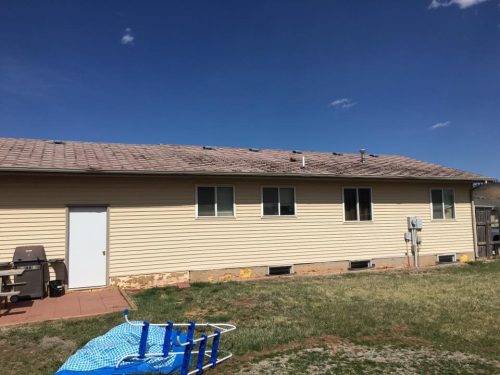
Roof damage is often visible from the ground after a storm, but siding damage usually appears at eye level or below, mainly on the side facing the storm. It often looks like normal wear, so homeowners may not notice it until after the claim window has closed.
Each siding material reacts differently to hail, so identifying your siding type is the first step in a thorough inspection.
Signs to Look For, By Siding Type
Fiber Cement Siding (such as James Hardie)
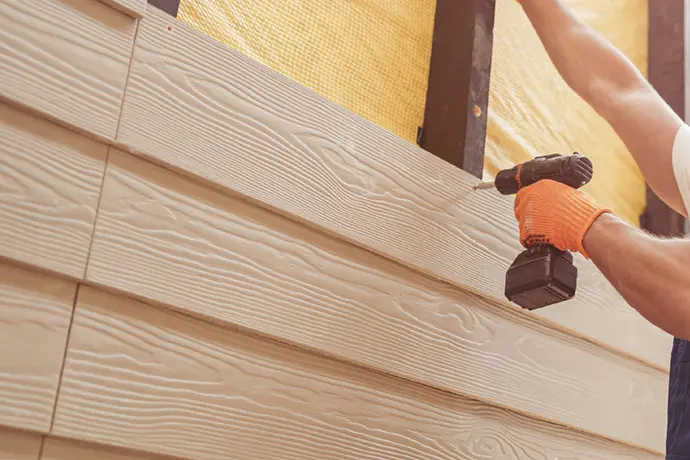
Fiber cement is dense and resists most impacts, but hail can still cause cracks, edge chips, or small fractures near fasteners. Check panel corners and seams carefully, as cracks often start there and can worsen if not addressed.
Engineered Wood Siding (such as LP SmartSide)
Engineered wood is designed for impact resistance, but hail may still cause dents, dings, or splintering along panel edges. Inspect for disturbed factory finish, as this can let moisture behind the panel.
Vinyl Siding
Vinyl siding shows hail damage more visibly than other materials. Look for cracks, holes, or brittle, discolored spots. Impacts can also loosen panels from their tracks, so run your hand along seams to check for movement.
Additional Indicators to Check
In addition to material-specific damage, look for these general signs that hail has affected your siding:
- Dents or dings clustered on one side of the house, typically the side that faced the storm
- Cracked or missing paint or finish in small, scattered spots
- Soft spots detectable under light pressure
- Chips or gouges near corners, trim, or window and door surrounds
- Corresponding damage on nearby metal surfaces, such as gutters, downspouts, window screens, or an AC unit
Insurance adjusters look for consistent damage across multiple exterior surfaces, not just isolated marks. Documenting hail damage on gutters or roof vents as well as siding strengthens your claim.
Why Timing Matters for Your Insurance Claim
Most South Dakota insurance policies require claims to be filed within a set period after the storm, not after the damage is discovered. Delaying inspection can lead to denied claims, even for valid storm damage.
Diamond Roofing recommends a full exterior inspection within days of any significant hailstorm in Rapid City, rather than waiting for visible damage to appear.
Steps to Take After Finding Damage
- Do not repair or alter the damage before it is documented. Early repairs can remove evidence needed for your insurance claim.
- Take photos and videos from multiple angles, including close-ups and wider shots that show the damage location on your home.
- Record the storm date if possible, as it determines your claim window.
- Schedule an inspection with a licensed contractor. Subtle cracks in fiber cement and engineered wood siding are easy to miss without professional training.
- Contact your insurance provider to start the claims process after you have documented the damage.
How Diamond Roofing Supports Your Insurance Claim
Demonstrating that hail, not age or normal wear, caused siding damage is often the main challenge in storm damage claims. Diamond Roofing has extensive experience guiding Rapid City homeowners through this process. We provide thorough inspections, detailed damage reports, and direct communication with your insurance company to help your claim proceed efficiently.
If you notice dents, cracks, or other changes in your siding after a storm, act quickly to protect your home and your claim. Call Diamond Roofing at (605) 720-7663 for a free siding inspection. Our team assess the damage and manage the insurance process from inspection to final repair.
Frequently Asked Questions From Our Customers
Q: How long after a hailstorm can I file a siding insurance claim in South Dakota?
A: This depends on your policy, but many insurers allow one year or less from the storm date. Review your policy and schedule an inspection promptly if you suspect damage.
Q: Will hail damage on siding always be visible from the ground?
A: No. Some damage, especially on fiber cement and engineered wood siding, is subtle and easier to detect up close or by a professional. A professional inspection is the most reliable way to confirm damage.
Q: Does Diamond Roofing help with the insurance claims process?
A: Yes. We inspect your siding, document damage thoroughly, and work with your insurance adjuster to support your claim.